
Suzhou Classical Gardens: Step into the Garden City of Jiangnan and Experience the Art of Eastern Gardens
Suzhou is located in southeastern Jiangsu Province, in the Yangtze River Delta region. It is a famous historical and cultural city in China and a Jiangnan city known worldwide for its classical gardens.
Classical gardens in Suzhou are mainly distributed in the old city of Suzhou and its surrounding areas, among which the Humble Administrator's Garden, the Lingering Garden, the Lion Grove Garden, and the Master of the Nets Garden are the most representative. These gardens have a long history and exquisite layout, integrating mountains, water, flowers, trees, architecture, and cultural landscapes into one, showcasing the unique aesthetic concept of traditional Chinese garden art.
For foreign tourists, a trip to Suzhou offers not only the opportunity to admire exquisite classical gardens but also to stroll through the ancient city streets and alleys, experiencing the leisurely and refined lifestyle of this Jiangnan water town.
The Humble Administrator's Garden: A Representative of Suzhou Gardens
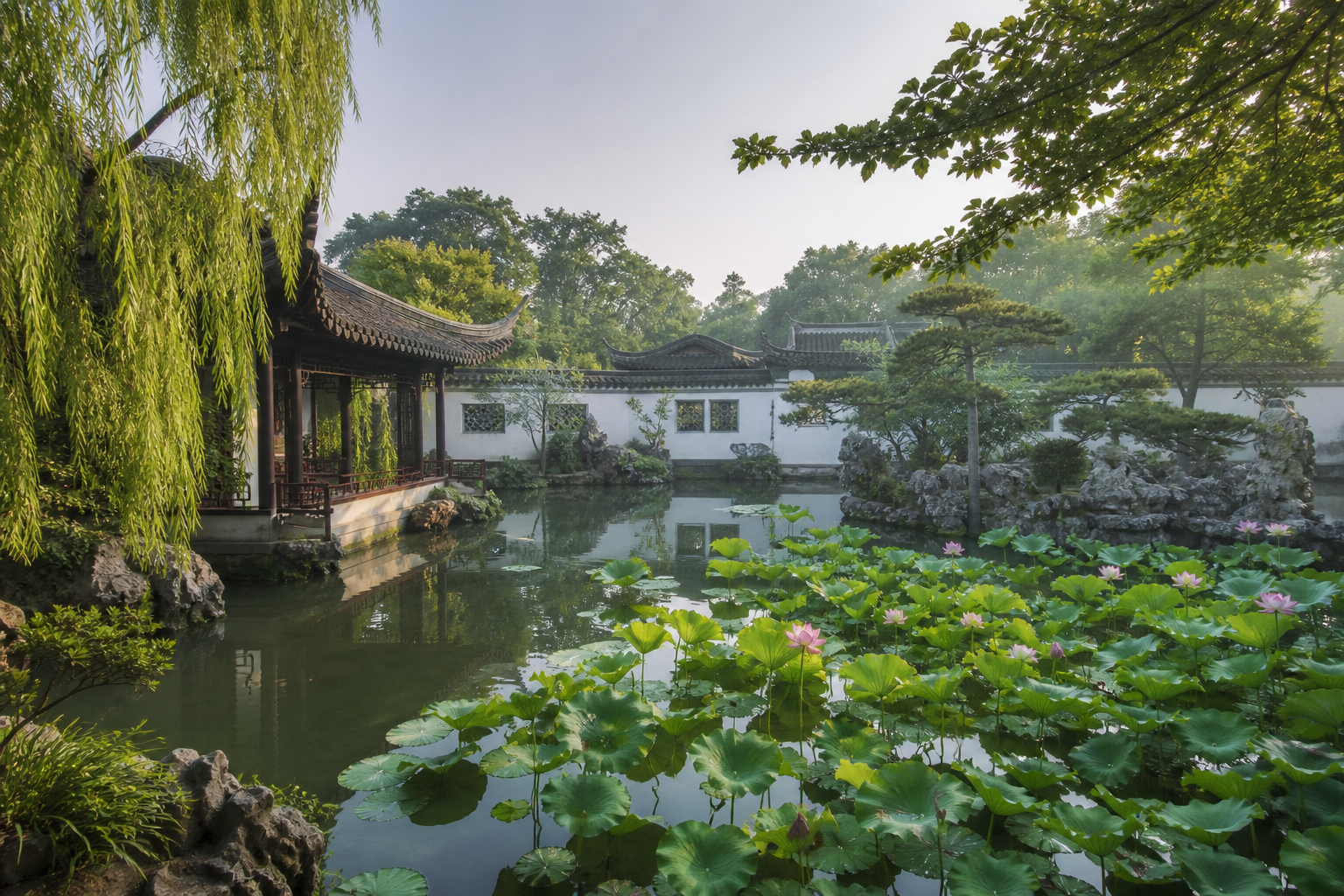
The Humble Administrator's Garden, located in Gusu District of Suzhou City, is one of the largest classical gardens in Suzhou and one of the most representative scenic spots among Suzhou gardens.
The garden is characterized by its water features, with ponds, pavilions, towers, flowers, trees and rockeries complementing each other to create a rich and natural spatial hierarchy.
Strolling through the Humble Administrator's Garden, visitors can see the reflections of different architectural styles on the water, and also enjoy different views from near and far through the flower windows, doorways, and corridors.
This method of creating landscapes through architectural and spatial changes is a typical manifestation of the "changing scenery with every step" concept in classical Chinese gardens.
Lingering Garden: Exquisite and layered
Lingering Garden, also located in the ancient city of Suzhou, is one of China's famous classical gardens.
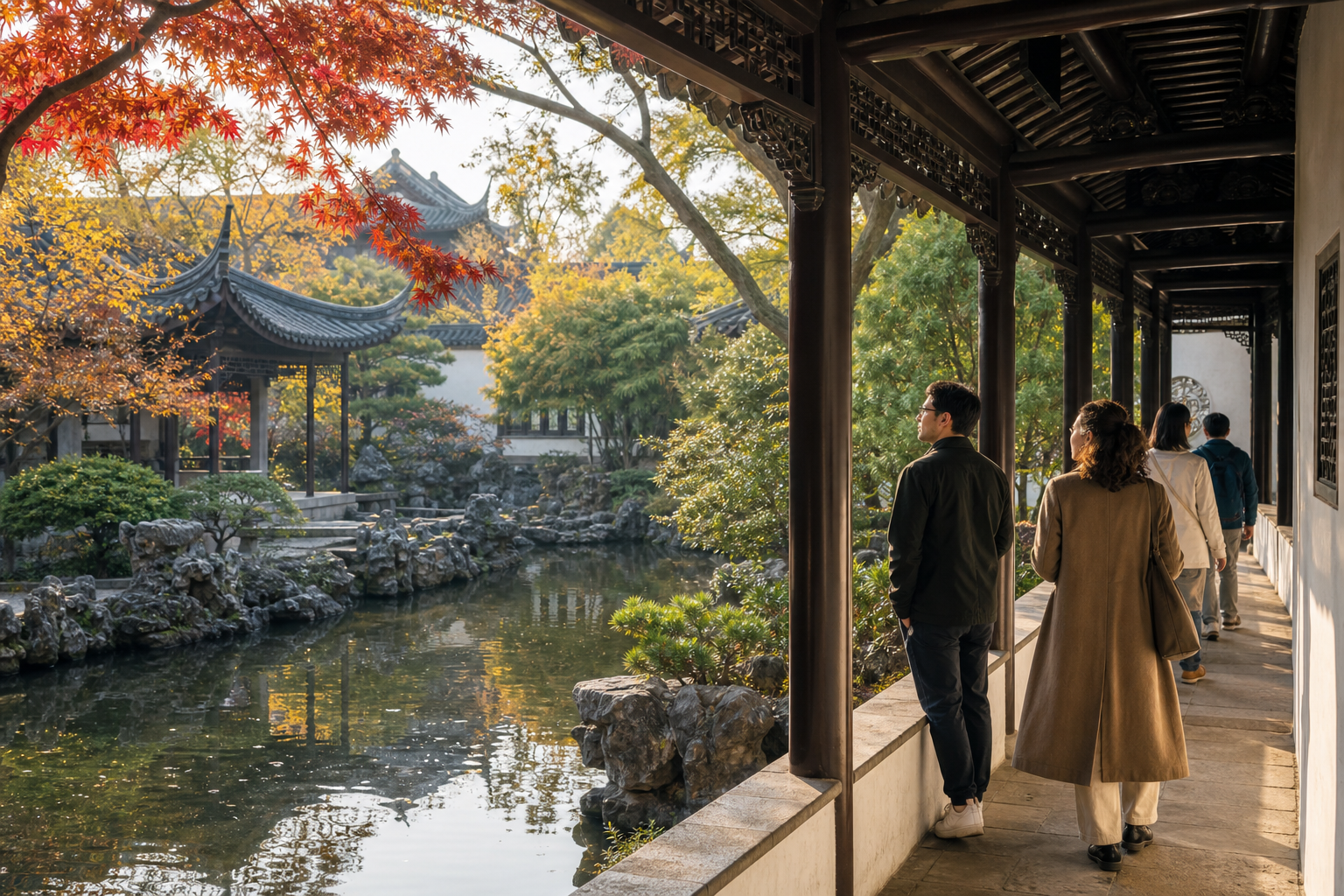
Compared to the Humble Administrator's Garden, the Lingering Garden places greater emphasis on spatial layout and the variations between buildings. Pavilions, winding corridors, artificial hills, and ponds are interconnected, allowing visitors to see completely different views from different vantage points.
The long corridor in Lingering Garden is particularly distinctive. As you slowly walk along the winding corridor, the mountains, waters, flowers, and trees outside the windows constantly change, like a traditional landscape painting that unfolds continuously.
Lion Grove Garden: Exploring the Wonderful World of Rockeries
The Lion Grove Garden is located in Gusu District of Suzhou City and is famous for its unique rockery landscape.
The park boasts a large number of uniquely shaped Taihu stones, with winding paths and spaces formed among the artificial hills. As visitors stroll through, they often encounter corners, caves, and paths of varying elevations, offering a delightful experience of exploration.
The Lion Grove Garden not only possesses high artistic value in garden design, but also embodies the unique aesthetic appreciation of rock formations in classical Chinese gardens.
Master of the Nets Garden: A Grand Vision in a Small Space
The Master of the Nets Garden is one of the more exquisite classical gardens in Suzhou.
Although the garden area is not particularly large, through a reasonable spatial layout, ponds, rockeries, buildings, flowers and trees and roads are cleverly combined to create a rich landscape in a limited space.
This also reflects a very important characteristic of Suzhou gardens: they do not pursue a simple area, but rather use design to create a richer sense of depth within a limited space.
The "changing scenery with every step" concept in Suzhou gardens
When visiting Suzhou gardens, the most worthwhile experience is not simply finding a few famous buildings, but taking your time to stroll through them.
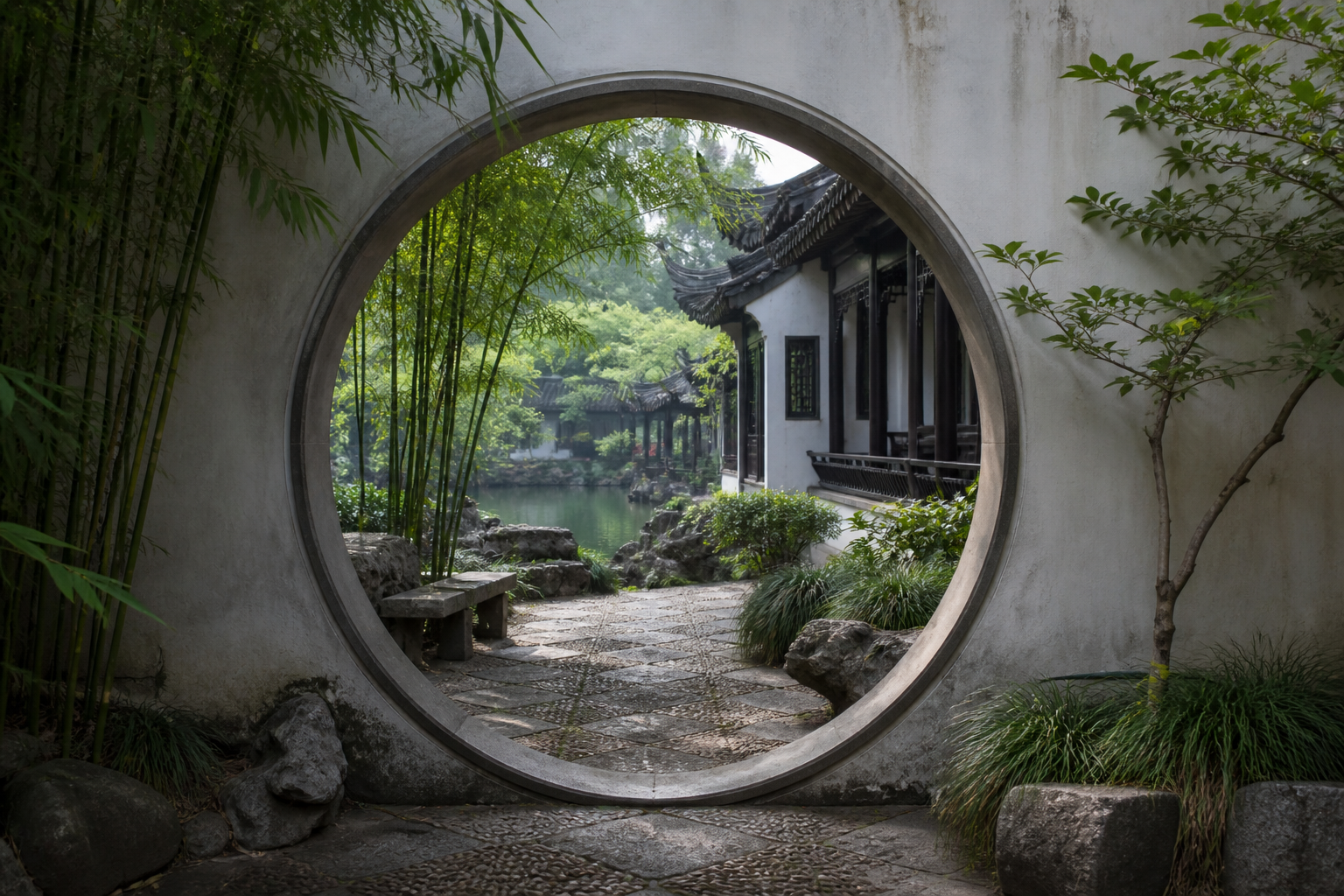
In traditional Chinese gardens, garden designers use elements such as walls, latticed windows, doorways, covered bridges, and plants to control the viewer's line of sight.
As tourists take a step forward, the scenery changes; passing through a door reveals another view.
This ever-changing visual experience is the famous "changing scenery with every step" of Suzhou gardens.
Suzhou gardens and Jiangnan water towns
Suzhou not only boasts famous classical gardens, but also possesses the typical Jiangnan water town landscape.
The ancient city is crisscrossed by waterways, with small bridges spanning flowing streams and traditional residences scattered along the riverbanks. Gardens, the ancient city, and the waterways together constitute Suzhou's unique urban landscape.
When visiting Suzhou, you can combine the exploration of classical gardens with historical blocks such as Pingjiang Road and Shantang Street to experience a more complete Jiangnan culture, from garden art to urban life.
Experience the beauty of Suzhou's classical gardens
The charm of Suzhou's classical gardens lies not only in their pavilions, terraces, and landscapes, but also in the traditional Chinese aesthetics they embody.
Ancient garden designers were adept at using limited space to express natural landscapes, and through the combination of architecture, plants, water features and artificial hills, they made the artificially constructed gardens present a feeling close to nature.
For foreign tourists visiting China for the first time, Suzhou is a highly recommended destination for learning about classical Chinese garden culture.
Here, you can admire the exquisite garden architecture, stroll through the ancient streets and alleys, or sit in the pavilion by the water and slowly feel the tranquil and leisurely pace of life in a Jiangnan city.
The beauty of Suzhou gardens lies not in seeing everything at a glance, but in the fact that every turn reveals a new view.