
The Mausoleum of the Yellow Emperor: An Important Historical and Cultural Site of Ancient Chinese Civilization
The Mausoleum of the Yellow Emperor, located in Huangling County, Yan'an City, Shaanxi Province, is one of China's famous historical and cultural sites. It is traditionally considered the burial place of the Yellow Emperor, the legendary ancestor of the Chinese nation, and is also an important site for sacrificial culture in China.
The Yellow Emperor is a figure of great importance in ancient Chinese legends and history. According to ancient Chinese records, he is considered one of the most important leaders in the early stages of Chinese civilization. For thousands of years, people have continuously held sacrificial ceremonies at the Yellow Emperor's Mausoleum, making it an important site for understanding traditional Chinese culture and history.
For overseas tourists, the Mausoleum of the Yellow Emperor is not only a tomb site, but also an important tourist destination for understanding ancient Chinese civilization, traditional sacrificial culture, and Chinese history.
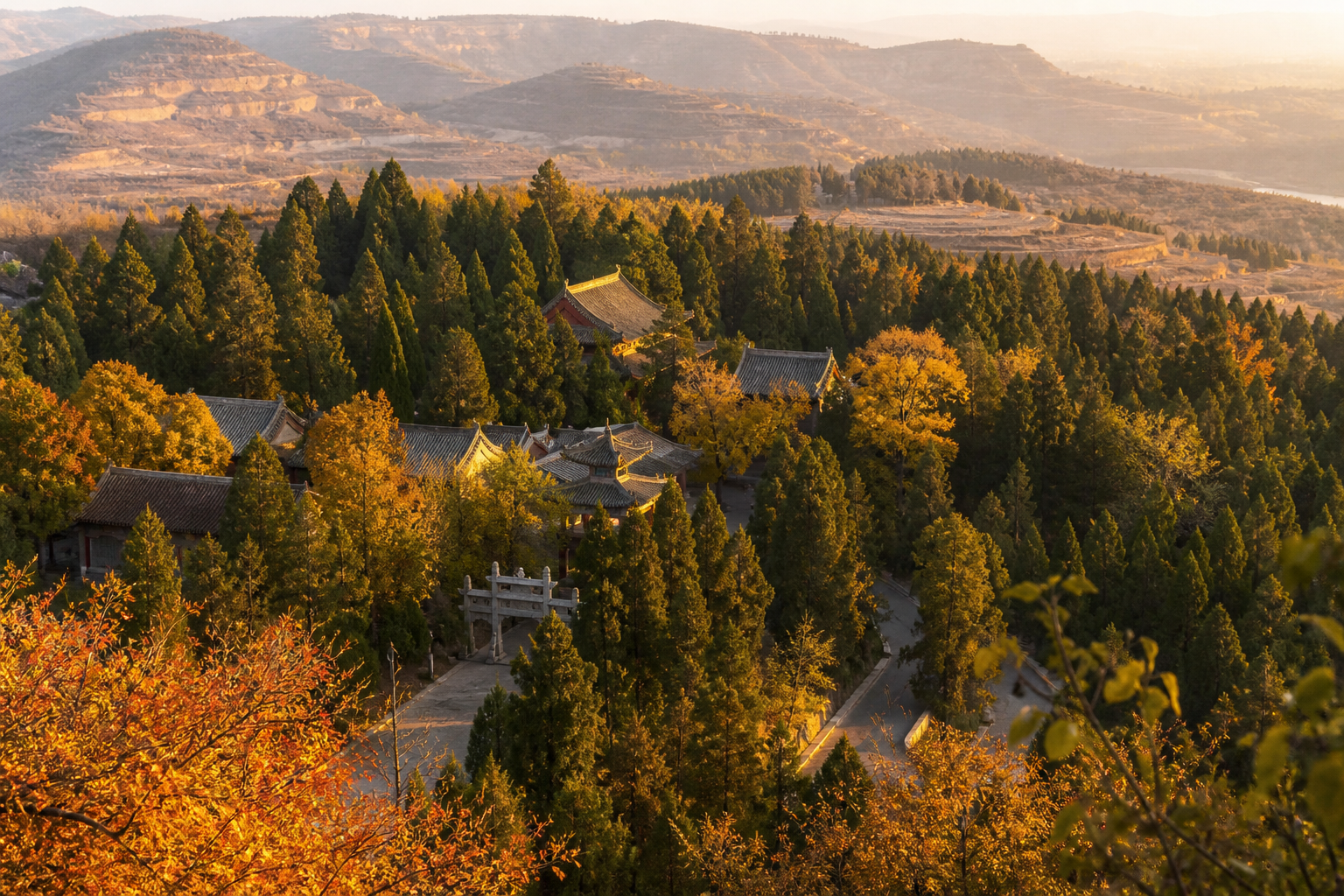
Where is the Mausoleum of the Yellow Emperor?
The Mausoleum of the Yellow Emperor is located in Huangling County, Yan'an City, Shaanxi Province, situated on Qiaoshan Mountain.
Huangling County is located in northern Shaanxi Province, about 170 kilometers from Xi'an, and is one of Shaanxi's important historical and cultural tourism destinations.
The Huangdi Mausoleum Scenic Area mainly consists of the Huangdi Mausoleum, Xuanyuan Temple, ancient cypress forest, and related historical and cultural relics. Visitors can walk along the scenic trails to visit the mausoleum and ancient buildings, and learn about historical legends and sacrificial traditions related to the Huangdi.
Who was the Yellow Emperor?
The Yellow Emperor, also known as Xuanyuan Huangdi, is an important figure in ancient Chinese legends and a significant cultural symbol in the traditional narrative of Chinese civilization.
In traditional Chinese culture, the Yellow Emperor is considered an important leader in the early stages of Chinese civilization. Many legends about the origins of agriculture, writing, medicine, calendar systems, and social systems are related to the Yellow Emperor.
It is important to note that the specific era in which the Yellow Emperor lived and related historical stories primarily come from ancient Chinese texts and traditional legends. Modern historical research typically considers these contents as part of the intertwining of early Chinese civilization's history and mythology.
Therefore, the cultural value of the Yellow Emperor's Mausoleum comes not only from the specific tomb remains, but also from the historical memory and cultural traditions that have continued for thousands of years.
Xuanyuan Temple
Xuanyuan Temple is an important part of the Yellow Emperor's Mausoleum Scenic Area.
This place has long been used for worshipping the Yellow Emperor and is an important site for traditional Chinese sacrificial culture. The temple buildings retain the layout and style of traditional Chinese architecture, and visitors can learn about ancient sacrificial rituals and the history and culture related to the Yellow Emperor.
The Xuanyuan Temple preserves many historical inscriptions and cultural relics, some of which have high historical research value.
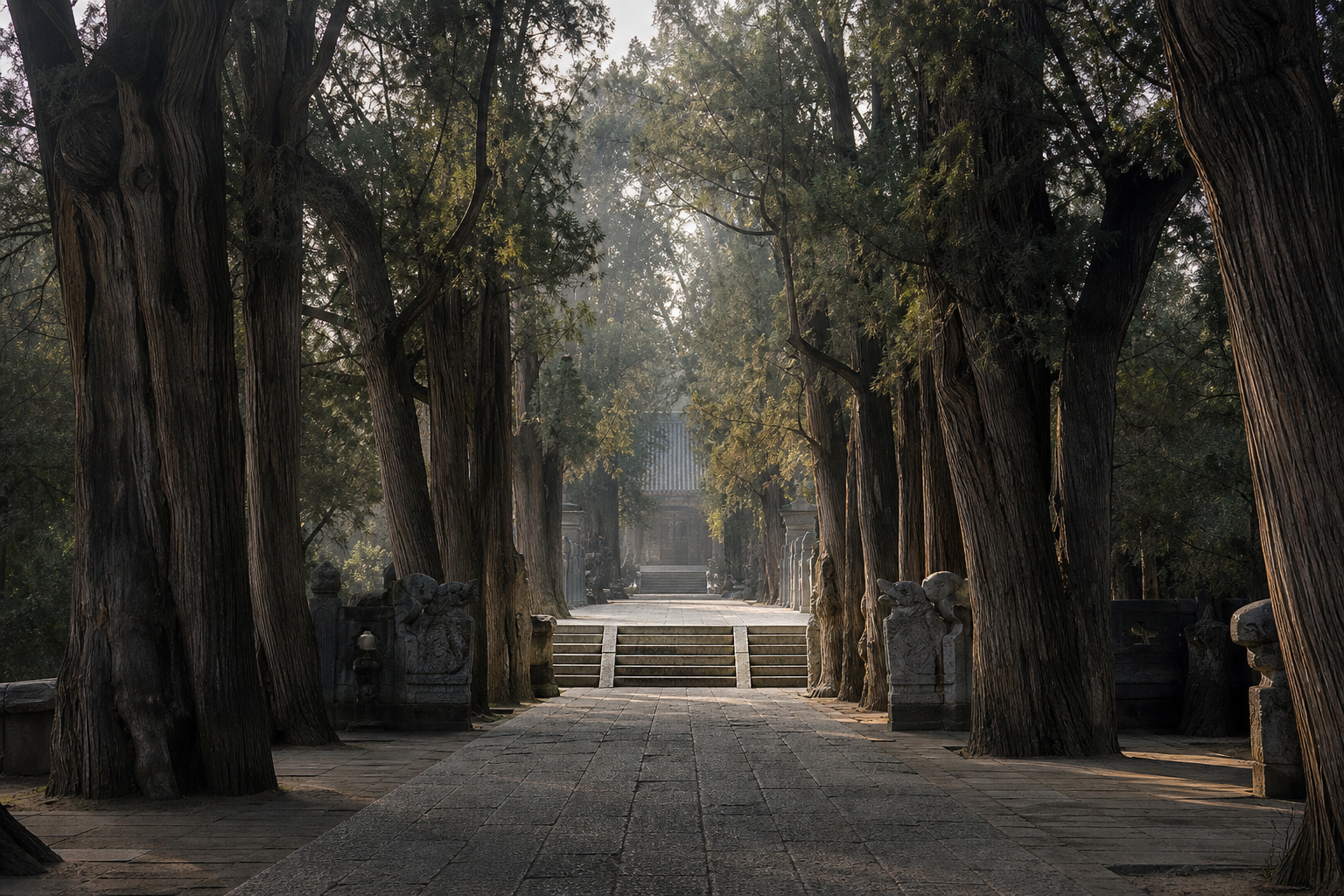
Yellow Emperor's Mausoleum
The Mausoleum of the Yellow Emperor is located on the top of Qiaoshan Mountain and is the most important historical site in the scenic area.
Traditionally, this is believed to be the mausoleum of the Yellow Emperor. The surrounding environment is relatively quiet, and the combination of mountain and forest landscapes with ancient sacrificial sites creates a unique historical and cultural atmosphere.
Unlike many royal tombs in China, the Mausoleum of the Yellow Emperor was not built to commemorate an emperor from a historical period, but rather carries the long-term commemoration and worship of the Yellow Emperor in traditional Chinese culture.
Ancient Berlin
One of the most distinctive natural landscapes in the Huangdi Mausoleum Scenic Area is the large ancient cypress forest.
Qiaoshan Mountain boasts a large number of ancient cypress trees, some of which are extremely old. These ancient cypress trees, along with the mausoleum, temples, and forests, together form the unique landscape of the Yellow Emperor's Mausoleum.
These ancient trees not only have natural value, but also carry the long-standing historical and cultural memory of the area.
In traditional Chinese culture, cypress trees are often used in mausoleums and sacrificial sites, so the ancient cypress forest at the Yellow Emperor's Mausoleum also has special cultural significance.
Yellow Emperor Mausoleum Sacrificial Culture
The tradition of worshipping the Yellow Emperor has continued for a very long time.
Throughout history, both the Chinese government and the people have held sacrificial ceremonies at the Mausoleum of the Yellow Emperor. Even today, large-scale sacrificial ceremonies are still held at the Mausoleum of the Yellow Emperor, especially during important traditional festivals such as Qingming Festival.
Sacrificial rites typically include traditional rituals and the recitation of sacrificial texts, reflecting the traditional Chinese cultural concepts of remembering ancestors and honoring the deceased.
For overseas tourists, these cultural activities are also an important window into understanding Chinese traditional etiquette and historical memory.
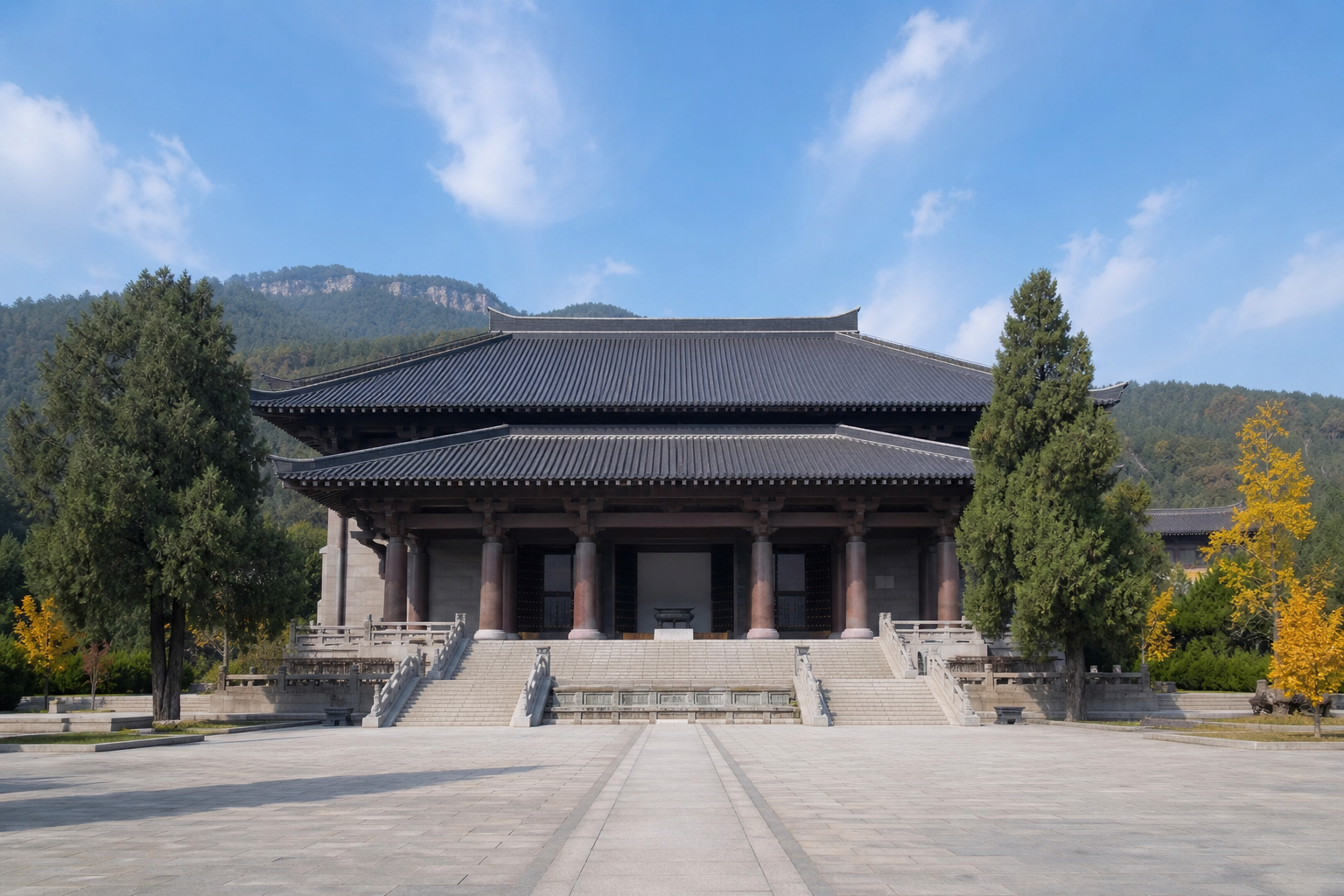
The Mausoleum of the Yellow Emperor and Chinese Civilization
The significance of the Mausoleum of the Yellow Emperor in Chinese culture is closely related to the Yellow Emperor's status as a symbolic figure in the early stages of Chinese civilization.
Traditional Chinese culture often regards the Yellow Emperor as one of the important ancestors of Chinese civilization. Therefore, the Yellow Emperor's Mausoleum has long been not only a tomb, but also an important symbol of the shared cultural memory of the Chinese nation.
This cultural significance continues to this day, making the Mausoleum of the Yellow Emperor a scenic spot with a special status in China's historical and cultural tourism.
The historical and cultural value of the Mausoleum of the Yellow Emperor
The Mausoleum of the Yellow Emperor boasts a wealth of historical inscriptions, ancient buildings, ancient trees, and sacrificial relics, making it an important site for studying traditional Chinese sacrificial culture and historical memory.
The stone inscriptions within the scenic area record historical information related to the Mausoleum of the Yellow Emperor from different historical periods, and also reflect the development of ancient Chinese stone inscription art and traditional culture.
The Mausoleum of the Yellow Emperor, together with other historical sites in Shaanxi, constitutes an important historical and cultural tourism resource in Guanzhong and northern Shaanxi.
When is the best time to visit the Mausoleum of the Yellow Emperor?
The Mausoleum of the Yellow Emperor is suitable for visiting in all four seasons.
Springtime offers comfortable weather, refreshing scenery in the ancient cypress forest and surrounding mountains, and is also a peak period for traditional sacrificial activities.
The area is lush and green in summer, but the weather in northern Shaanxi can be quite hot, so visitors should take precautions against sunburn.
Autumn weather is relatively cool, making it ideal for walking tours of the mausoleum area and the ancient cypress forest.
With fewer tourists in winter, the scenic area is quieter, making it suitable for visitors who wish to gain a deeper understanding of Chinese history and culture.
If you wish to learn about the traditional sacrificial culture of the Yellow Emperor's Mausoleum, you can pay attention to the related cultural activities held during the Qingming Festival.