
Qianling Mausoleum in Qianxian County, Xianyang: Exploring the Imperial Tombs of the Tang Dynasty and Experiencing the Glorious History of the Tang Dynasty
If you want to learn more about the history of the Tang Dynasty in China, then Qianling Mausoleum , located in Qianxian County, Xianyang City, Shaanxi Province, is a historical and cultural site that is well worth visiting.
This is the joint tomb of Emperor Gaozong of Tang (Li Zhi) and Empress Wu Zetian, the only female emperor in Chinese history to formally ascend the throne. It is also one of the most legendary imperial tombs in Chinese history.
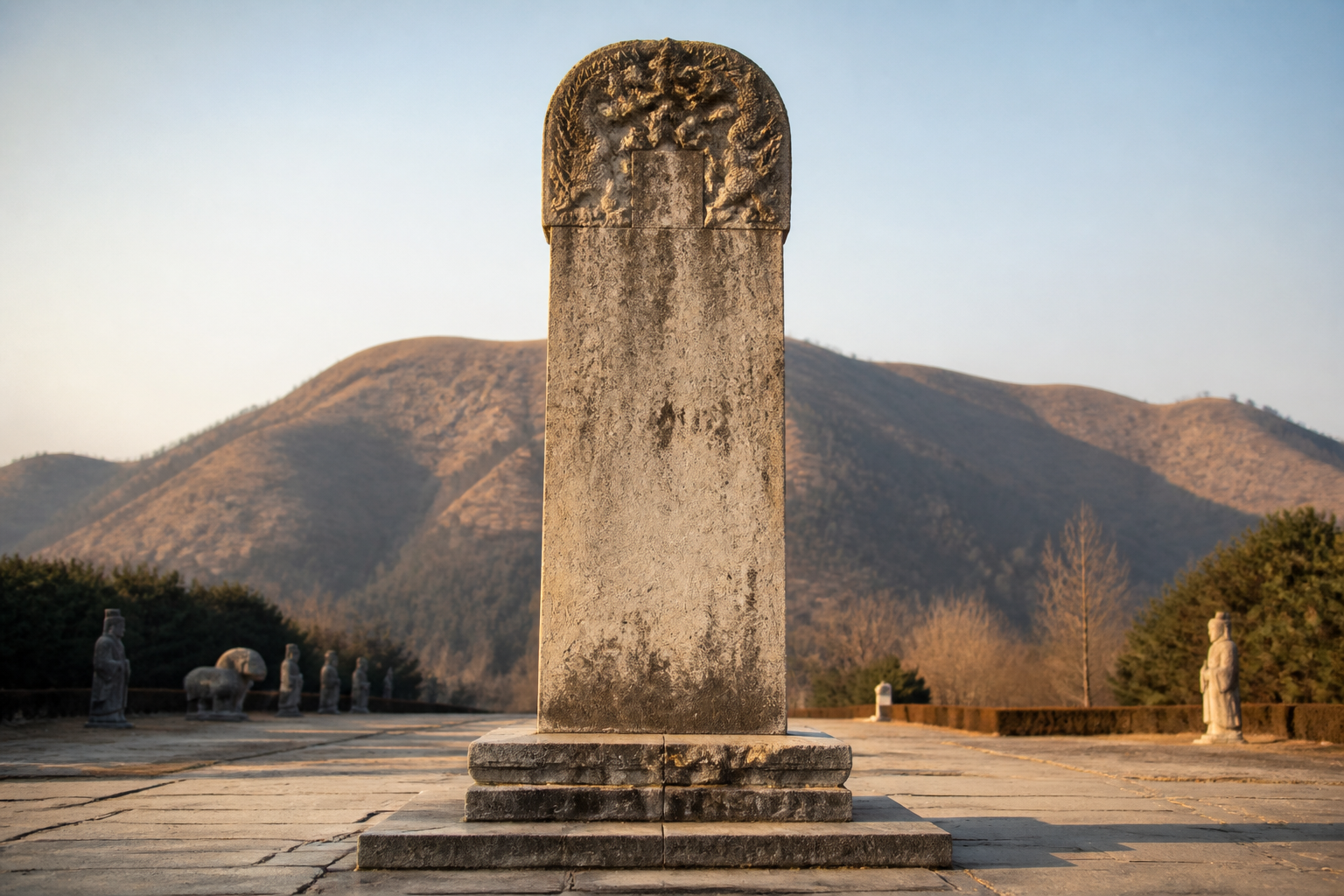
Entering Qianling Mausoleum, looking out along the wide Sacred Way, one sees stone statues standing silently on both sides, with the majestic Liangshan Mountains rising and falling in the distance. Thousands of years of history have left a deep imprint here, making visitors feel as if they have traveled back in time to the glorious Tang Dynasty.

👑 One tomb, two emperors
One of the most unique aspects of Qianling Mausoleum is that it is the final resting place of two Tang Dynasty emperors—Emperor Gaozong Li Zhi and Empress Wu Zetian.
Emperor Gaozong of Tang, Li Zhi, was the third emperor of the Tang Dynasty, while Wu Zetian was the only female emperor in Chinese history to officially ascend the throne.
Wu Zetian's life was full of legends.
She rose from a concubine during the reign of Emperor Taizong of Tang to empress during the reign of Emperor Gaozong of Tang, and eventually became the only female emperor in Chinese history, establishing the Wu Zhou regime.
Qianling Mausoleum has thus become an important site for understanding the politics, history and culture of the Tang Dynasty.
🏔️ The Royal Mausoleum on Liangshan Mountain
Qianling Mausoleum is built against the mountain and sits on Liangshan Mountain.
From a distance, the mountain where Qianling Mausoleum is located blends into the surrounding Loess Plateau, forming a unique natural and cultural landscape.
After entering the mausoleum area, you can walk along the Sacred Way.
Numerous historical relics, such as stone statues, stone horses, and stone tablets, are distributed along both sides of the Sacred Way.
These silent stone carvings, having withstood more than a thousand years of wind and rain, still guard this ancient royal mausoleum.

🪨 The Mysterious Wordless Stele
One of the most impressive historical sites at Qianling Mausoleum is the famous stele without inscription .
This huge stone tablet stands in front of Qianling Mausoleum, but it has no inscription in the traditional sense.
There have been various explanations and speculations throughout history as to why there were no inscriptions.
Some believe that Wu Zetian wanted to leave her merits and demerits to future generations to judge; others believe that it contained more complex political and cultural implications.
Whatever the real reason, this "wordless stele" has become one of the most legendary cultural symbols of Qianling Mausoleum.
Standing before the stone tablet, facing this enormous, unwritten monument, you might have an interesting question:
If you were to evaluate Wu Zetian, what would you write on this stele?
🐎 Millennium Stone Carving Art
Qianling Mausoleum preserves a large number of precious Tang Dynasty stone carvings.
The stone statues, stone horses, and other stone carvings on both sides of the spirit path showcase the unique style of Tang Dynasty tomb art.
These stone carvings not only have historical value, but also reflect the aesthetic characteristics of Tang Dynasty sculpture art.
For tourists who enjoy history, art, and archaeology, Qianling Mausoleum is a natural history museum.
🌏 Why is it worthwhile for foreign tourists to visit Qianling Mausoleum?
If you are interested in Chinese history, Qianling Mausoleum can give you a more intuitive understanding of the ancient Chinese imperial system and Tang Dynasty culture.
The Tang Dynasty was one of the most prosperous, open, and internationally influential periods in Chinese history.
At that time, Chang'an was a world-renowned metropolis, attracting people from different countries and regions to trade, study, and engage in cultural exchange.
Qianling Mausoleum, on the other hand, records this glorious era from another perspective.
Standing on the Sacred Way of Qianling Mausoleum, looking at the stone carvings left a thousand years ago, you can imagine the once prosperous Tang Dynasty.
📸 Suitable for history and culture travel
Qianling Mausoleum is perfect for tourists who enjoy the following travel styles:
- 🏛️ Chinese History and Ancient Civilization
- 👑 Tang Dynasty History and Imperial Culture
- 🪨 Ancient Stone Carving Art
- 📷 Historical Buildings and Humanistic Photography
- 🌄 Natural landscape of the Loess Plateau
- 📚 Exploring Traditional Chinese Culture
If your Shaanxi travel itinerary includes Xi'an, then Qianling Mausoleum is a nearby historical and cultural attraction that is well worth including in your itinerary.
🏮 Starting from Xi'an, explore the history of the Tang Dynasty
When tourists come to Shaanxi, many will first think of the Terracotta Army, the Big Wild Goose Pagoda, and the ancient city wall of Xi'an.
However, if you wish to explore the history of the Tang Dynasty further, you can travel from Xi'an to Qianxian County in Xianyang and visit the Qianling Mausoleum.
Here, you can learn about a thousand-year-old Chinese history from a mausoleum, a sacred path, a group of stone carvings, and a wordless stele.
This is also one of the most fascinating aspects of traveling in China:
What you see is not just a tourist attraction, but a piece of real history.
✨ Qianling Mausoleum: A Tang Dynasty Tomb Full of Stories
Despite enduring over a thousand years of wind and rain, Qianling Mausoleum still stands quietly atop Liangshan Mountain.
Here you'll find Emperor Gaozong of Tang, Li Zhi; the legendary Empress Wu Zetian; the mysterious wordless stele; Tang Dynasty stone carvings preserved to this day; and countless stories about the prosperous Tang Dynasty.
If you're looking to experience history, culture, and natural landscapes while traveling in China, then the Qianling Mausoleum is worth a visit.
Walk along the ancient sacred path, read the silence of the wordless stele, and stand atop Liangshan Mountain to feel the historical echoes of the Tang Dynasty.
📍 Scenic Area Information
Attraction Name: Qianling Mausoleum
Location: Ganxian County, Xianyang City, Shaanxi Province
Main features: Tang Dynasty imperial tombs, Empress Wu Zetian, Emperor Gaozong of Tang, the stele without inscription, Tang Dynasty stone carvings, historical culture.
Recommended for: history buffs, culture travelers, photography enthusiasts, families, and foreign tourists who wish to gain a deeper understanding of Chinese history.
Friendly reminder: Qianling Mausoleum covers a large area, so please allow ample time for your visit. Before you go, please check the opening hours, ticket prices, and transportation information.
The Qianling Mausoleum, a thousand years old, stands silently, yet it tells the story of a glorious era.