If this is your first time visiting China, the Forbidden City in Beijing is a place well worth a visit.
Located in the heart of Beijing, the Forbidden City is one of the largest and best-preserved ancient palace complexes in Chinese history. Its red walls, golden roofs, magnificent gates, and expansive squares create a familiar oriental architectural landscape for both Chinese and foreign tourists.
Stepping into the Forbidden City, you can not only see exquisite ancient Chinese architecture, but also learn about the life of the Chinese imperial family, traditional culture, and hundreds of years of history.
If you're planning a trip to China, the Forbidden City in Beijing is worth including in your itinerary.
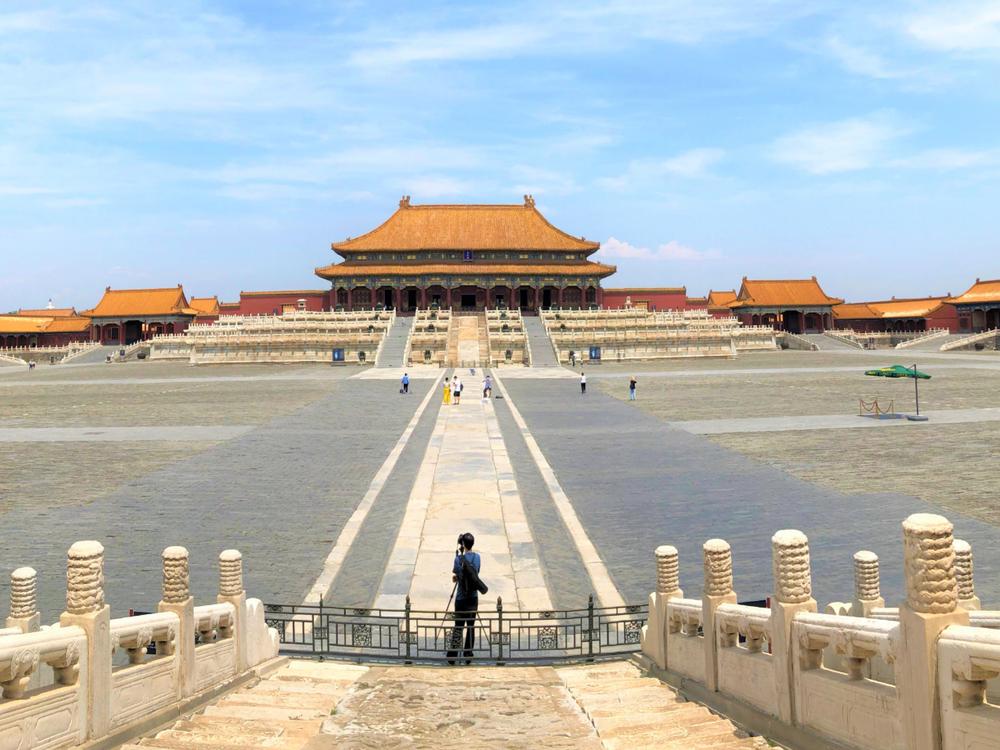
Where is the Forbidden City in Beijing?
The Forbidden City is located in the center of Beijing, occupying an important position on Beijing's central axis.
The Forbidden City is bordered by Tiananmen Square to the south and Jingshan Park to the north.
Entering the Forbidden City from the direction of Tiananmen Square, you can pass through the Meridian Gate and then visit important buildings such as the Gate of Supreme Harmony, the Hall of Supreme Harmony, the Hall of Central Harmony, and the Hall of Preserving Harmony along the central axis.
The Forbidden City is very large, so it is recommended to allow plenty of time in advance if you wish to visit it in its entirety.
For foreign tourists visiting Beijing for the first time, the Forbidden City is also an excellent starting point for understanding traditional Chinese architecture and history.
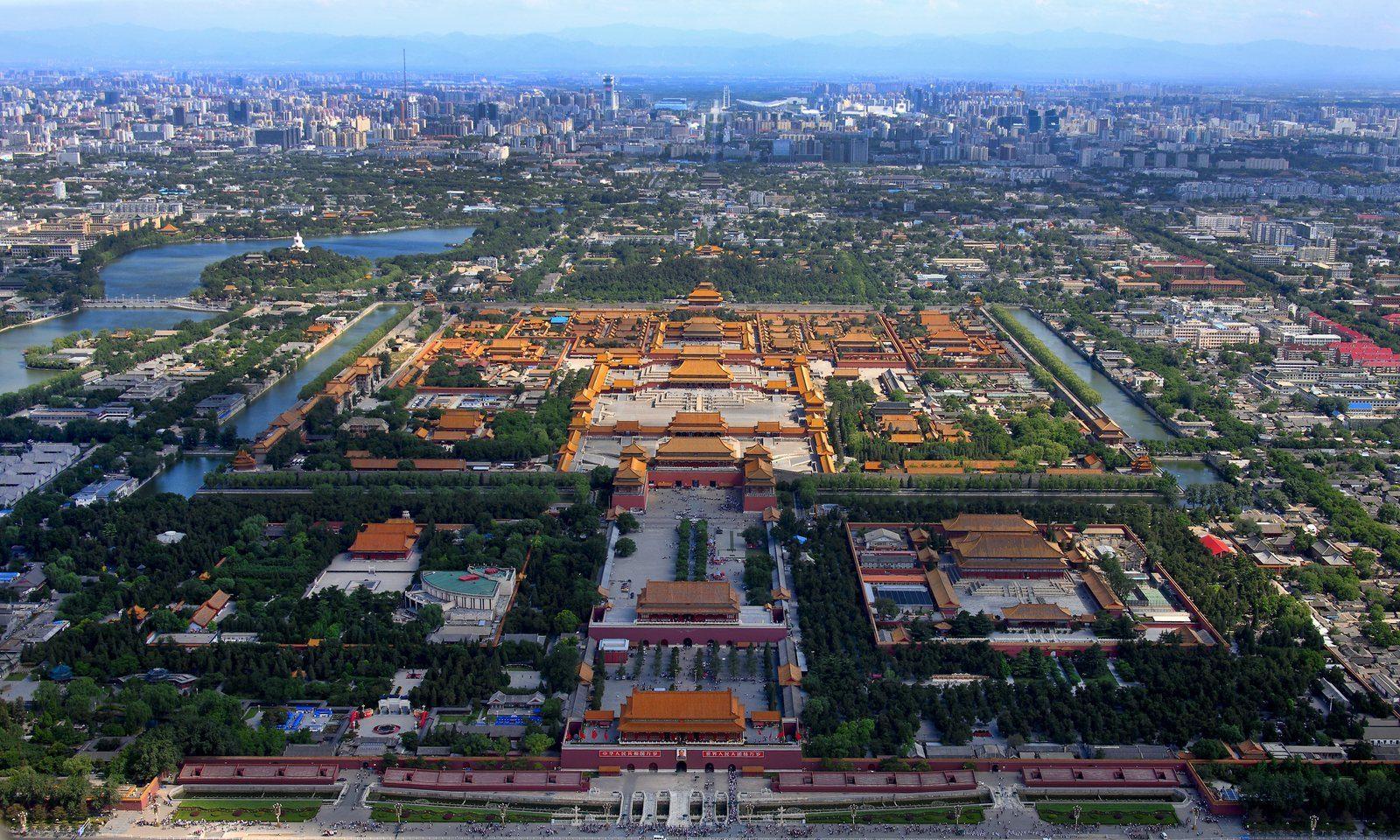
How many years of history does the Forbidden City have?
The Forbidden City in Beijing was first built in the Ming Dynasty. After being used, repaired and protected in various periods, it gradually became the scale we see today.
The Forbidden City was once the royal palace of the Ming and Qing dynasties, and also an important place for ancient Chinese emperors to handle government affairs and live their lives.
Over the centuries, many important events that have influenced Chinese history have taken place here.
Today, when tourists enter the Forbidden City, they see not only ancient palaces, but also a preserved piece of Chinese history.
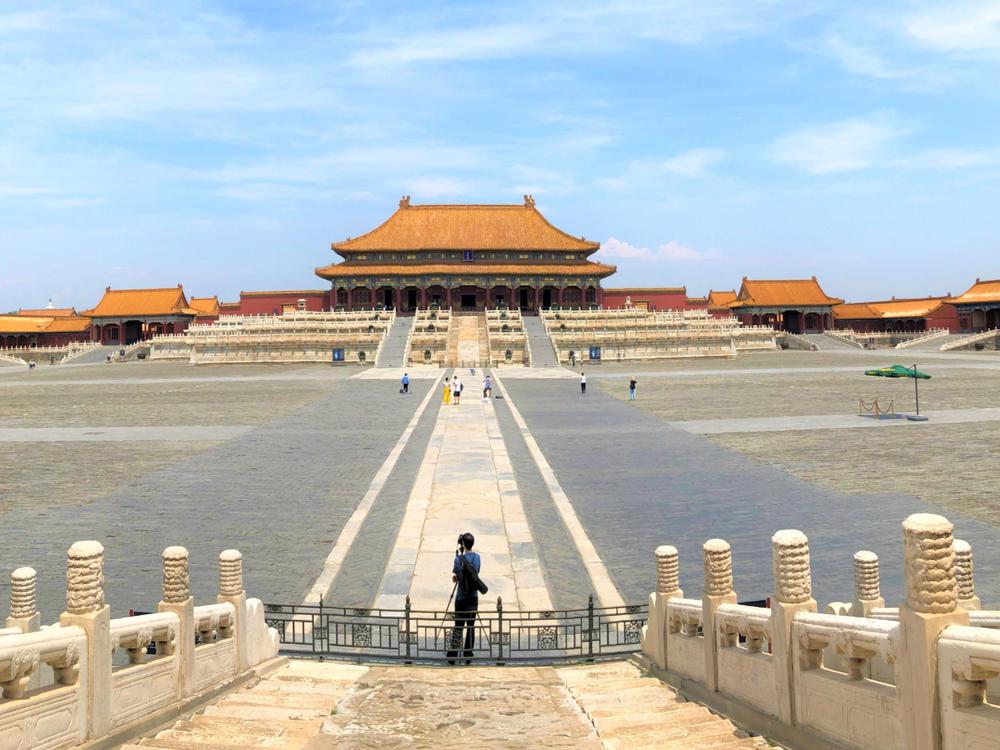
Why is the Forbidden City called the "Purple Forbidden City"?
Many foreign tourists discover that the Forbidden City also has another famous name when they first learn about it – “Forbidden City”.
The color "purple" is related to astronomical concepts in traditional Chinese culture; "forbidden" represents that this place was once a royal forbidden area that ordinary people could not enter at will.
Therefore, the name "Forbidden City" itself carries a very strong connotation of ancient Chinese culture.
Today, this once mysterious royal palace is open to tourists from all over the world.
Visitors can now walk into areas that were previously only accessible to members of the royal family and related personnel, and admire ancient Chinese palace architecture up close.
Hall of Supreme Harmony: One of the most important buildings in the Forbidden City
When visiting the Forbidden City, the Hall of Supreme Harmony is a building that almost every tourist will pay attention to.
It is located on the central axis of the Forbidden City and is one of the largest palace buildings in the Forbidden City.
The magnificent roof, the huge stone steps, and the open square make the Hall of Supreme Harmony appear very solemn.
In ancient China, the Hall of Supreme Harmony was used to hold important royal ceremonies.
Standing in front of the Hall of Supreme Harmony, you can more intuitively feel the order and solemnity emphasized in the architecture of ancient Chinese imperial palaces.
This is also a very important stop for foreign tourists to learn about ancient Chinese imperial architecture.
The Forbidden City not only has magnificent palaces
Many people who visit the Forbidden City for the first time will focus their attention on large buildings such as the Hall of Supreme Harmony.
But if you have enough time to visit slowly, you will find that there are many more exquisite places in the Forbidden City.
The courtyards between palaces, the exquisitely carved stone railings, the decorations on the eaves, and the brightly colored glazed tiles all embody the beauty of detail in traditional Chinese architecture.
The layout of the Forbidden City is also very elaborate.
The main buildings along the central axis exude a solemn royal aura, while the buildings on both sides create a rich and layered space.
This architectural layout is closely related to the concept of order in traditional Chinese culture.
What's so special about the architecture of the Forbidden City?
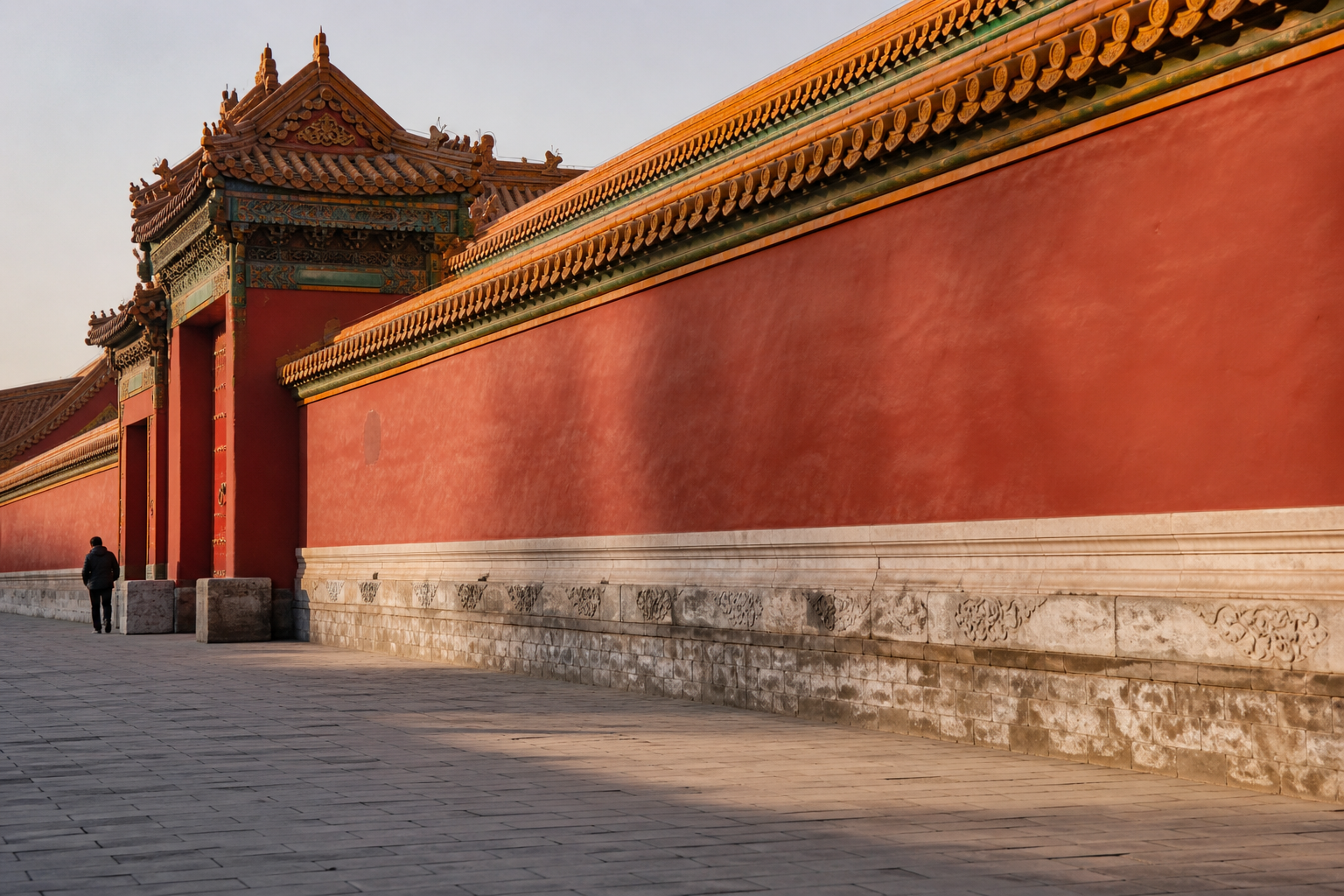
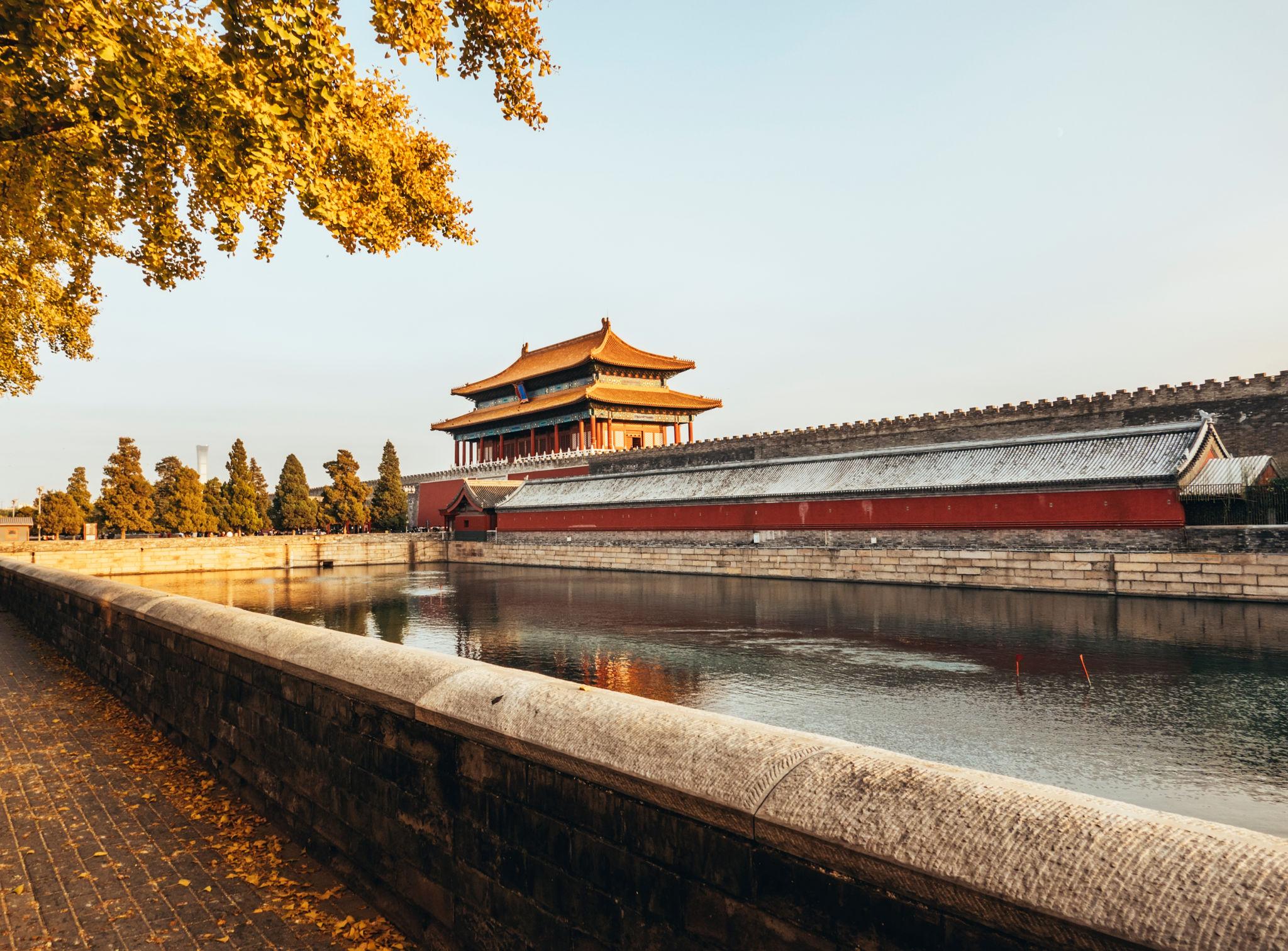
What most easily impresses foreign tourists about the Forbidden City's architecture is its striking red and gold colors.
The red palace walls and golden glazed tiles create a striking visual contrast.
In traditional Chinese culture, these colors have special cultural meanings.
In addition, the dragons, phoenixes, auspicious clouds, and other decorations on the Forbidden City's buildings also reflect traditional Chinese culture and ancient imperial culture.
If you look closely at the palace roof, you can also see many uniquely designed decorations.
These details are not simply decorations, but rather part of the hierarchical system and traditional culture of ancient Chinese architecture.
The Forbidden City has different beauties in each season.
The Forbidden City in Beijing offers different scenery in each of the four seasons.
In spring, the palace walls and trees are full of life;
In summer, the green trees contrast sharply with the golden rooftops;
In autumn, the ginkgo and other trees in the Forbidden City gradually turn golden yellow, making it a perfect spot for photography;
In winter, if it snows, the white snow covers the red palace walls and golden roofs, creating a very distinctive Chinese winter scene.
If you enjoy photography, you can choose to visit the Forbidden City in different seasons according to your interests.
Is the Forbidden City suitable for foreign tourists?
It's perfect.
The Forbidden City is not only a tourist attraction, but also an important window into understanding Chinese history and culture.
Here, foreign tourists can see ancient Chinese palace architecture, learn about the royal life during the Ming and Qing dynasties, and further understand traditional Chinese art through the cultural relics collected by the Palace Museum.
For first-time visitors to China, the Forbidden City can help you gain a more intuitive understanding of Chinese history.
If you've already planned to visit the Great Wall, you can also include the Forbidden City in your Beijing trip.
The Great Wall shows you the magnificent landscape of northern China, while the Forbidden City takes you into the history of ancient Chinese royalty.
Tips for visiting the Forbidden City in Beijing
The Forbidden City is very large, so it is recommended to plan your visit route in advance.
Wearing comfortable shoes makes long walks much easier.
Beijing has hot summers and cold winters, so it's important to prepare appropriate clothing according to the season.
The Forbidden City is a popular tourist attraction, so it is recommended to check the latest opening hours, reservation requirements, and visiting regulations in advance before you go.
If you wish to appreciate architecture and cultural relics at a more leisurely pace, try to avoid peak tourist seasons.
When you come to Beijing, don't miss the Forbidden City.
Beijing is a city with a long history.
Here, you can climb the Great Wall and traverse ancient mountains; or you can enter the Forbidden City and explore hundreds of years of Chinese history between red walls and golden roofs.
The significance of the Forbidden City lies not only in the number of palaces it contains.
What's truly captivating is the preserved architecture, artifacts, and historical stories here.
When you stand in the vast square of the Forbidden City and look at the ancient palace buildings, you will feel the unique charm of traditional Chinese culture more directly.
If you're planning a trip to China, the Forbidden City in Beijing is a must-see.
Begin at the Forbidden City and step into Chinese history; start from Beijing and explore a China with a long history and rich culture.