
Zheng Guo Canal: A Two-Thousand-Year Water Conservancy Project That Changed Chinese History
In the Guanzhong Plain of Shaanxi, China, there is an ancient canal that has existed for more than two thousand years.
It is not as majestic as the Great Wall, nor as world-famous as the Terracotta Army, but it has profoundly changed a piece of land and, to some extent, influenced the course of Chinese history.
It is the Zheng Guo Canal .
More than two thousand years ago, without modern machinery, satellite mapping, or advanced water conservancy equipment, the ancients relied on their observation of the terrain and water flow to build a massive water conservancy project on the Guanzhong Plain.
What's even more interesting is that the very creation of this canal is a dramatic story.
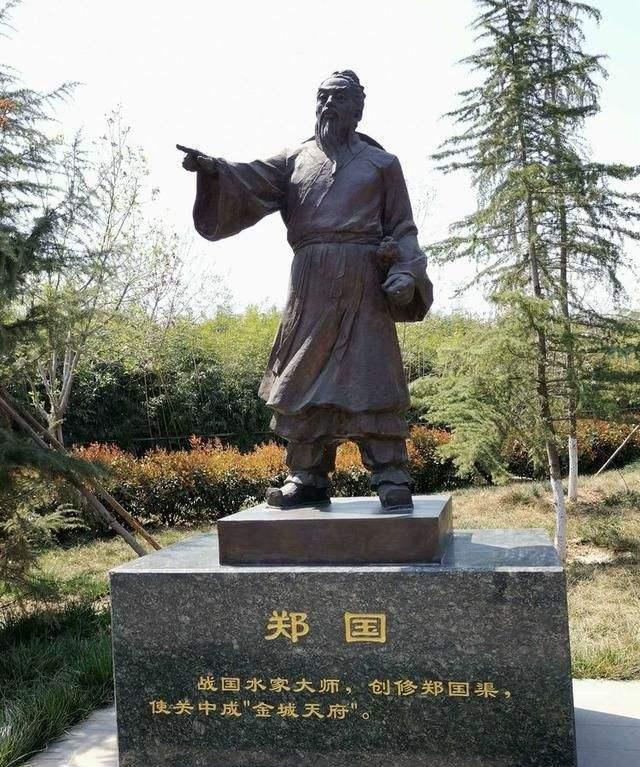
A plan originally intended to weaken the Qin state
The story takes place during the Warring States period.
At that time, China was not yet unified, and the seven states of Qin, Chu, Qi, Yan, Zhao, Wei, and Han were fighting each other.
Although the Qin state was located in Guanzhong, it had gradually become a huge threat in the eyes of the other six states as its national strength continued to grow.
South Korea was relatively weak and was under pressure from the Qin state.
In order to stop the Qin state from becoming increasingly powerful, the state of Han came up with a plan:
Rather than engaging in direct combat with Qin, it would be better to find a way to make Qin expend a great deal of manpower and resources on its own.
Therefore, the State of Han sent a water conservancy engineer named Zheng Guo to the State of Qin.
Zheng proposed a plan to the King of Qin—to build a large irrigation canal.
The King of Qin agreed.
According to South Korea's initial plan, this project was massive and required a huge investment of manpower and resources. If the Qin state devoted a large amount of resources to building the canal, it might be temporarily unable to expand its territory.
However, things took an unexpected turn for the better in South Korea.
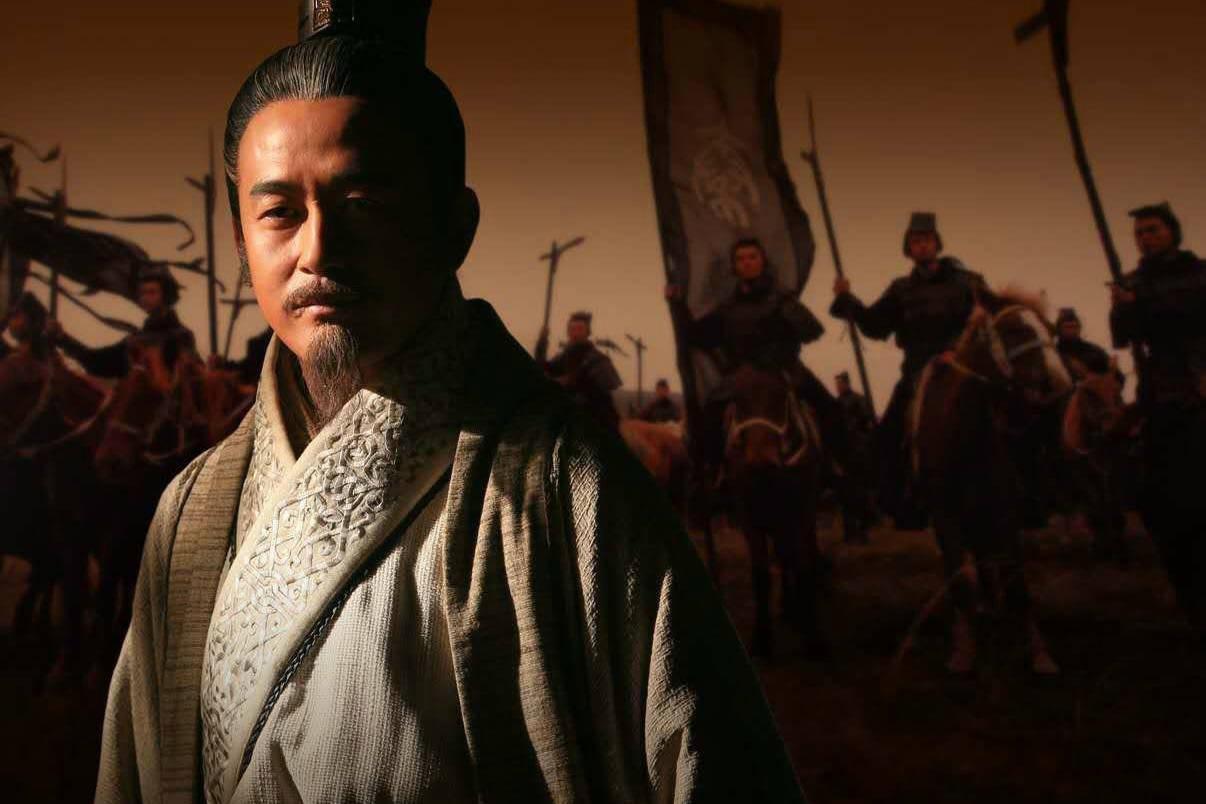
A canal transformed the Guanzhong Plain
The construction of the Zheng Guo Canal was not easy.
In ancient times, people needed to find suitable routes based on the terrain to divert the water of the Jing River into the Guanzhong Plain and then irrigate large areas of land through canals.
Without modern engineering equipment, this would have been an extremely large undertaking.
But when the Zheng Guo Canal finally came into play, its effects were astonishing.
The previously water-scarce land has been irrigated, and agricultural production conditions have been significantly improved.
The Guanzhong Plain gradually became an important grain production area for the Qin state.
What did food mean to an ancient country?
It means population.
It means the army.
It also signifies a country's ability to sustain both war and construction.
Therefore, what Han originally hoped to do by building canals to weaken Qin actually helped Qin become stronger.
This has become a very interesting story in Chinese history.
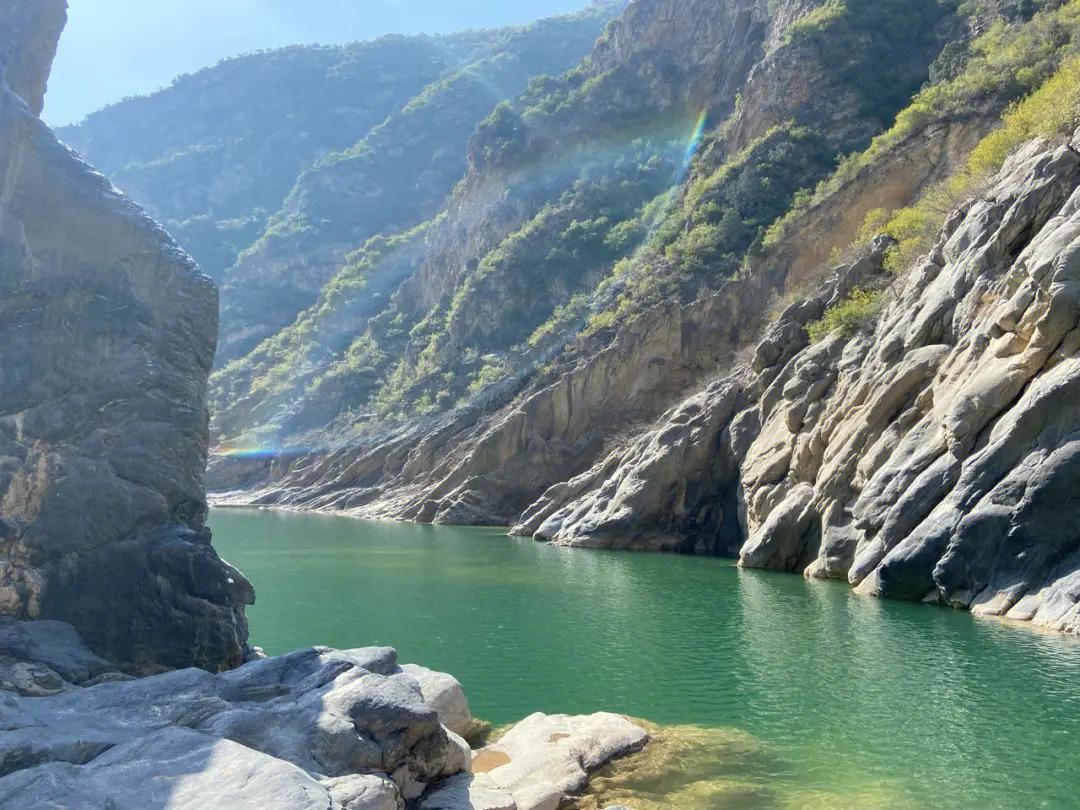
Why is the Zheng Guo Canal so important?
Today, when we look back at the Zheng Guo Canal, its significance has become more than just that of a waterway.
It changes the relationship between people and the land.
In agrarian societies, the number of people a region can support largely depends on the land and water.
With a stable water source, the land can produce more food; with more food, more people can be fed; and with a larger population, the country can have more labor and military.
Therefore, the Zheng Guo Canal was of great significance to the development of agriculture in the Qin state.
Some people even connect it to the Qin state's later unification of the six states.
Of course, the Qin state's eventual unification of China was the result of a combination of factors, including political, military, economic, and institutional factors.
However, the Zheng Guo Canal is undoubtedly one of the most important foundational projects.
A canal did not directly change the war, but it changed the food and economic foundation behind it.
A "super project" from over two thousand years ago
When people talk about large-scale projects today, they might think of high-speed railways, cross-sea bridges, and super hydropower stations.
However, if we go back more than two thousand years, the Zheng Guo Canal can also be described as an amazing project.
There were no excavators or modern surveying instruments in that era.
The construction of the project mainly relied on manpower, as well as the ancients' long-term observation of the terrain, water flow and natural laws.
They need to solve a very basic, yet extremely difficult, problem:
How can water be made to flow in the direction designed by people?
The Zheng Guo Canal embodies the wisdom of water conservancy engineering that was formed very early in ancient China.
It tells us that the development of ancient Chinese civilization was not just about palaces, city walls, and wars.
In those places where the smoke of battle is unseen, there are still a large number of engineers, farmers, and ordinary workers who are slowly changing the whole society by altering the rivers and the land.
What can we still see if we visit the Zheng Guo Canal today?
More than two thousand years have passed, and the Zheng Guo Canal no longer serves its original irrigation function.
But the historical value it left behind still exists.
For travelers to Shaanxi, the Zheng Guo Canal offers a unique way to learn about ancient Chinese civilization.
If you have already visited the Terracotta Army and the ancient city wall in Xi'an, and learned about the stories of Qin Shi Huang and the Qin Dynasty, then coming to Zheng Guo Canal will allow you to see another side of Qin history.
There are no underground military formations or magnificent palaces here.
What you see is a piece of land, an ancient water conservancy project, and the history of how a country gradually accumulated power through agriculture and engineering.
It makes people realize:
History doesn't just happen on the battlefield.
Sometimes, the outcome of a war is already determined by factors such as food, land, water, and infrastructure.
The Chinese Story Behind an Ancient Canal
Today, as we look back at the Zheng Guo Canal from more than two thousand years later, it is hard to imagine why people back then would have spent so much effort to complete such a project.
But it is precisely these seemingly slow, even insignificant things that ultimately shaped Chinese history.
The Zheng Guo Canal is not as mysterious as the Mausoleum of the First Qin Emperor, nor as awe-inspiring as the Terracotta Army.
It's more like a line quietly flowing through history.
It connects the river to the land, and it also connects the past to the present.
If you come to Shaanxi, in addition to visiting famous historical sites such as the Terracotta Army and the ancient city wall, you might also want to learn about this ancient canal that is more than two thousand years old.
Because there, you might see more than just an ancient water conservancy project.
What you are seeing is the story of how a country relies on its land, water, and human wisdom to gradually become strong and prosperous.