
Terracotta Army: Beneath the silence lies the echo of an empire.
It's hard not to be awestruck when you first step into the Terracotta Army pits.
It wasn't a feeling that could be summed up by the word "spectacular," but rather a direct, almost oppressive weight of history—thousands upon thousands of terracotta figures stood in neat rows, silent, yet seemingly still awaiting a command.
They had their heads down, their gazes forward, and their expressions were all different.
Some were resolute, some were calm, and some even looked a little tired.
At that moment, you will suddenly realize: this is not a simple replica, but an army frozen in time.
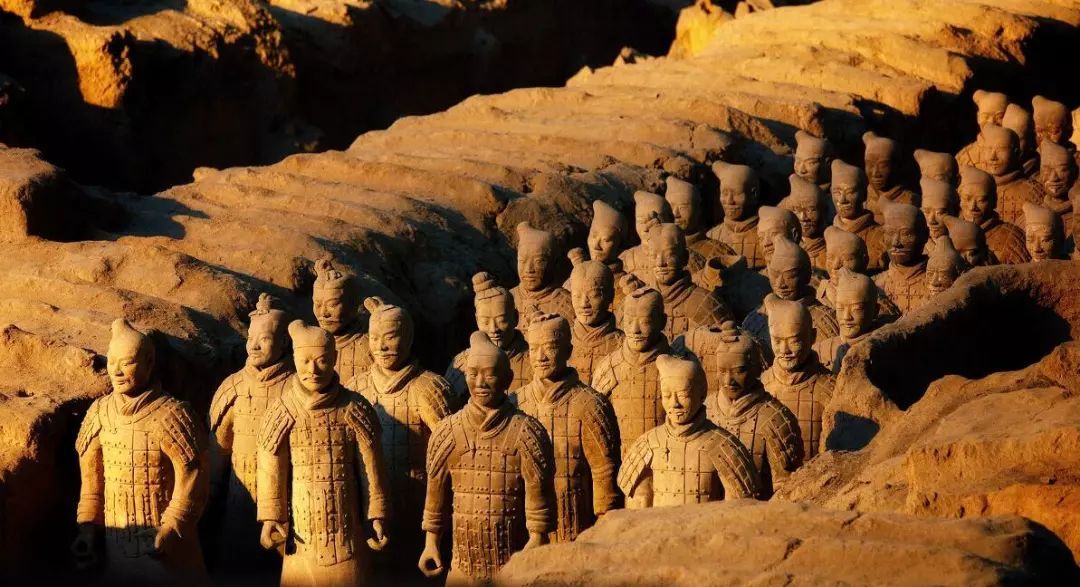
The Terracotta Army is a funerary military formation built for Qin Shi Huang. It was born in an era "with unification as its mission," and it carries with it an almost obsessive will—that even after death, order, power, and protection must not be interrupted.
Many people only see the "scale" of the Terracotta Army, but ignore the "people" in it.
Almost every terracotta warrior's face is unique. Their eyebrows, eyes, expressions, and demeanor all bear realistic and subtle differences. This means that these are not randomly created symbols, but rather highly realistic depictions of real soldiers.
Standing at the edge of the pit, watching them stretch out in rows to the horizon, you can't help but think:
Did these real-life figures, more than two thousand years ago, also stand in the wind and sand, holding weapons, waiting for orders?
Have you ever felt fear, hesitation, or longing for your hometown?
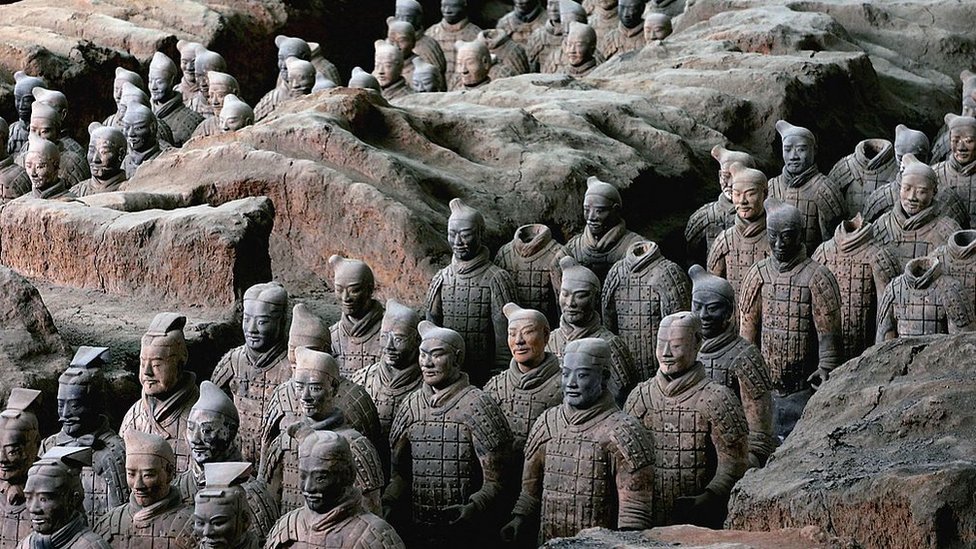
The most moving aspect of the Terracotta Army lies precisely in this contradiction—
It represents the supreme will of the emperor, yet it is accomplished by the collective image of countless ordinary people.
The grand and the individual coexist here.
Unlike the gentle and understated atmosphere of the Big Wild Goose Pagoda, the Terracotta Army evokes a more direct and stark feeling. It doesn't soothe you, nor does it invite empathy; it simply stands there, forcing you to confront a fact:
History is never spoken softly.
But after a long gaze, you will have another feeling.
These terracotta figures were buried underground for two thousand years until they were rediscovered and brought back into the light. Power had long since changed hands, and the empire was long gone; what truly remained were these silent figures.
Perhaps the true significance of the Terracotta Army lies not in who it once protected, but in who it ultimately reminded of.
This reminds us:
Even the most powerful eras eventually come to an end;
Even the grandest ambitions will eventually turn to dust.
Only real people and real existences can transcend time and be seen by those who come after. 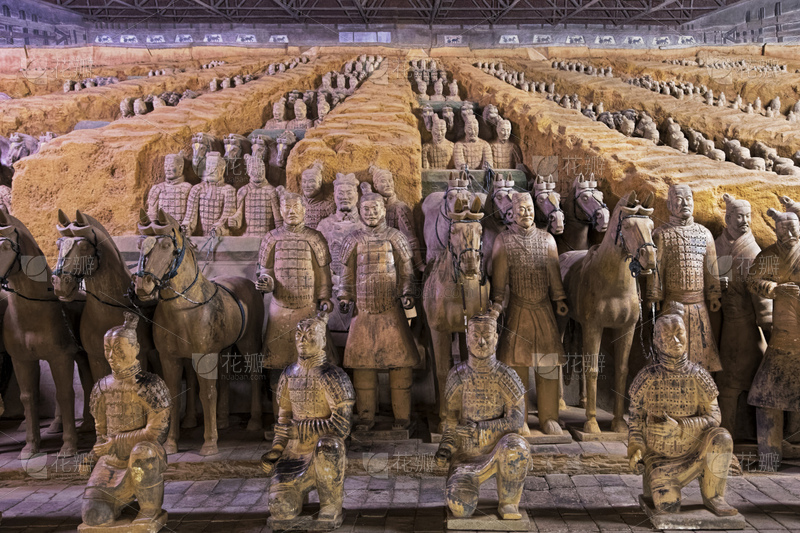
As you turn and leave the museum, the sunlight falls on you again, and that heaviness slowly fades away.
But you'll feel a greater sense of clarity—
It's about history, and it's also about people themselves.